
Empathy is the linchpin of effective leadership, serving as the compass that guides leaders through the complex terrain of human relationships. Its importance lies in its ability to bridge the gap between leaders and their teams, fostering understanding, trust, and collaboration. Empathic leaders are attuned to the needs, emotions, and perspectives of those they lead, allowing them to make decisions that resonate with their team’s values and well-being. This not only enhances employee morale and engagement but also empowers leaders to inspire and motivate their teams towards shared goals. Moreover, empathy fuels a culture of inclusivity, where diversity is celebrated, and each voice is heard, ultimately driving innovation and creativity within the organization. In a world where leadership is evolving to prioritize compassion and connection, empathy stands as the key to unlocking the full potential of both leaders and their teams, thereby propelling the organization toward lasting success.
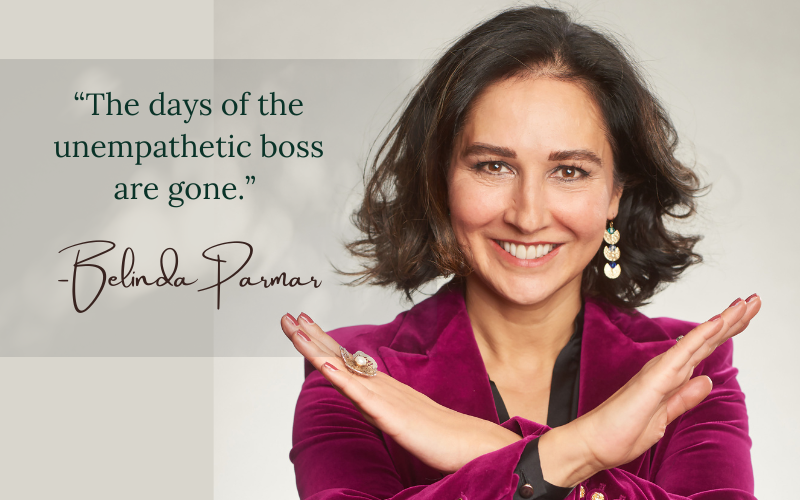
Let’s start off with some “trues” and “falses”. What is empathy and what is it not?
At the Empathy Business we define empathy as the emotional impact the company has on its colleagues and clients and there’s actually 3 different types of empathy; cognitive, affective and behavioral empathy. When working with clients, organizations and leaders we focus on behavioral empathy, where you actually use empathy to change your behavior and this happens in the form of small nudges
I would like to address what empathy is not, and debunk some of the empathy myths that are still prevalent in organizations.
- Empathy vs. Sympathy
- Empathy is a Commercial Tradeoff
- You can’t measure empathy
The first misconception is that empathy gets mixed up with sympathy. Sympathy is something that my niece would call a pity party. It’s basically the act of feeling sorry for somebody.
Empathy on the other hand has accountability built into it. You tell me something’s wrong, I can support you and try to figure out the next best steps together but ultimately you are accountable. In many organizations however, we very often see what we call a “parent-child culture”. When you have a parent-child culture it manifests itself as sympathy and when experiencing a culture of sympathy people lack accountability. For an organization to function properly and in order to build a healthy culture, everyone needs to be accountable.
“Well actually the case is that more empathic companies make more money.”
The second myth is that empathy is not going to make us any money. But actually being empathic is not a commercial trade off. I’ve had some clients who say: We can do the empathic thing or we can do the commercial thing. Well actually the case is that more empathic companies make more money. Empathy directly correlates with growth earnings and productivity.
The third myth is the belief that you can’t measure empathy. The truth is you can’t manage something, if you can’t measure it. If you as a leader are committed to measuring empathy, belonging and purpose in your organization you have to measure it. The truth is you can measure it in very innovative ways so for example we measure the percentage of time that senior people vs junior people speak in meetings. The reason behind this is that you don’t want your senior people speaking all the time because that creates a culture of deference, where people don’t speak up their minds.
“The alpha male type leader is definitely going out of style for many important reasons, albeit not as fast as I would hope.”
Is empathy a skill and if so how important of a skill will it be in the future?
Yes, I would argue that empathy is a skill because only 10% of us being empathic is genetic, so there’s a lot we can do ourselves. Empathy has also been argued to be one of the most important leadership skills in the future.
The alpha male type leader is definitely going out of style for many important reasons, albeit not as fast as I would hope. The other reason is that we have a new generation coming into the workforce who absolutely will not stand for any other type of leadership than the empathic leadership style, which is great! The alphas will have to change even if they wouldn’t otherwise believe it to be necessary, or otherwise they’ll get left behind.
“The company culture is what drives empathy.”
How should cultural differences and the fact that people from different cultures understand words to have a different meaning be taken into consideration from the lens of empathy?
Ultimately we have to understand what the biggest driver is behind this question: is it the company culture or the culture that the company comes from? Having worked with international companies I have learned to understand that the biggest driver behind this is the company culture. So no matter if you’re sitting for example in Italy or in Kuala Lumpur the company culture plays a stronger role than the culture in which you’re located demographically. The company culture is what drives empathy.
What are the first steps that leaders should take in their journey to build a more empathic culture in their company and teams?
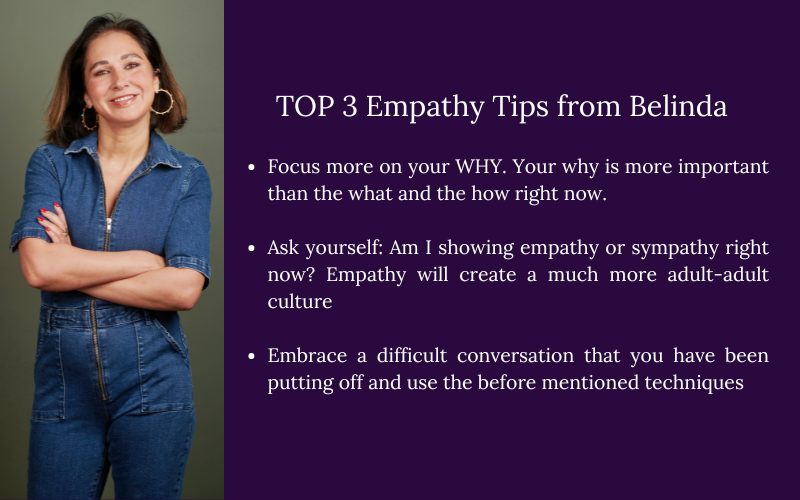
There are some things you can do straight away, even in your next meeting with team members. The three most important questions you can ask your team right now are: Do you feel visible? Do you feel cared for? Do you feel valued?
These questions alone give you a lot of insight into your team’s wellbeing and their mindset, but also immediately show you care for them.
Latest news


17 December 2025
How can a Keynote Speaker inspire an audience?
16 December 2025
How Does a Panel Discussion Work?

15 December 2025