
We often find ourselves searching for the finest minds and skills to join our organizations. This is of course an excellent first step, but that is exactly the extent of it, only the first step. A pivotal viewpoint has emerged and been taken into the forefront of discussion with regards to employee wellbeing and team performance: talent engagement.
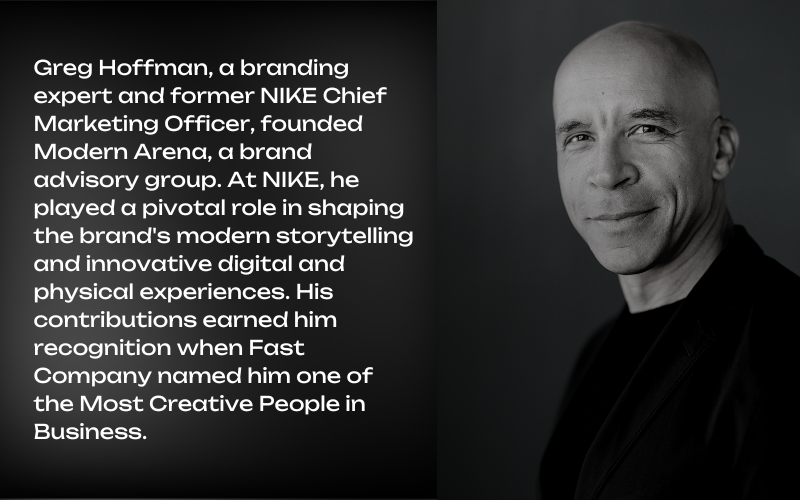
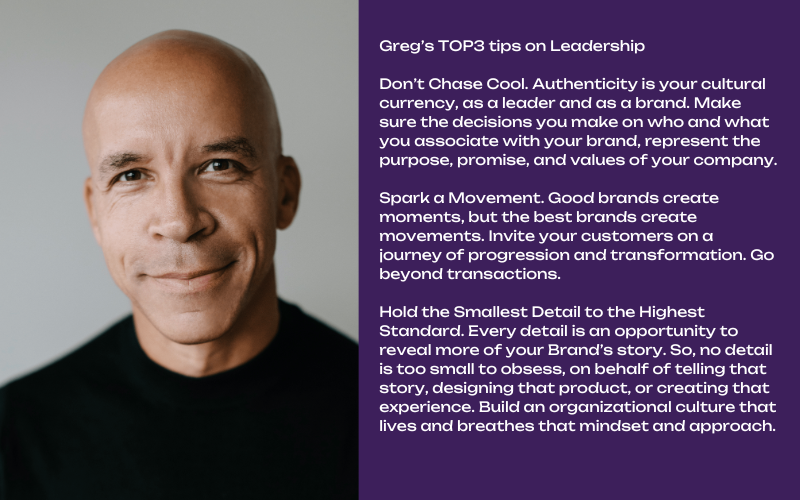
It is in the realm of engagement where creativity and innovation flourish. When employees are genuinely engaged, when they’re inspired and encouraged to bring their authentic selves to the table, resulting in transformational ideas. These ideas, born of passion and commitment, not only breed creativity but also spark the fires of innovation that drive organizations toward new territories of excellence. We wanted to hear more from someone who truly has been there to create and witness the power of engagement in his own work and the teams he led, the former CMO of Nike, Greg Hoffman.
Greg, you led teams that created some of the world’s biggest and most memorable campaigns. How did you get your teams engaged to work smoothly to succeed? Three key things?
There were three key mantras that we strived to live by within our creative culture and process:
1. Diversity is the Oxygen for Innovation: Our creative strength lies not only in our area of expertise but also in our diverse life experiences which shape our unique perspectives. This allows us to see further and look deeper as a collective to uncover insights that lead to game-changing ideas.
2. Creativity is a Team Sport: It’s difficult to build creative chemistry between disciplines if everyone is sitting in their own rooms, figuratively and literally. We always looked to break down the walls and be on the field together, if you will. You are better able to “pass the ball” to one another and build on each other’s ideas.
3. Get Outside Yourself: I believe curiosity is the rocket fuel for innovation. To find that fuel you need to look for inspiration beyond your own world and business category. So we prioritized creating a culture of curiosity within our organization by not only getting outside ourselves but by bringing the outside in, to share the wealth of inspiration with each other. If comfort is the enemy of creativity, then you must find ways to avoid complacency as a team. Look outward.
Did you see yourself in your role as Nike’s CMO as a coach to your team?
Yes. Within creative disciplines such as marketing, design, and advertising, I believe you need to lead as a coach, not necessarily as a manager. I feel the difference at times, between a manager and a coach in this creative context is that a manager is looking to create uniformity and precision, while a coach is looking to celebrate and empower the unique eccentricities of each teammate while putting them into the best position to win. Creating order, but leaving room for improv.
What are the concrete things you did to create a safe space for people to be creative?
1. Incentivize risk-taking: We allocated and protected time to dream about the future, beyond the business of the day.
“Words can only go so far.”
2. Build the Creative Arena: Our physical workspaces strived to be as innovative as the solutions we wanted to put out into the world. It’s hard to be creative if your environment is void of it.
3. Visualize the Future: Words can only go so far. We gave teams the resources to breathe life into their ideas, through the power of visualization, and at times, to do live prototyping in the digital and physical marketplace.
How would you react to failures as a leader? Did you react the same way to your own failures as you did to your teams?
Failure is the price of innovation. There were many stops and starts on the path to many successful finished products that you see in the marketplace today. How do you expect to take your customers someplace new, if you don’t go there first yourself? Go there first!
Do you think as a leader it is more important to see that “spark” in someone rather than have them as a ready-made package? Meaning did your team members have to be the best at something or was it more important that they were passionate about something and you saw the potential for them to be great?
As a leader, you strive to reveal the talents within your employees that oftentimes sit below the surface and remain untapped. You help people realize their highest potential, which oftentimes they can’t see in themselves. Along with passion, the traits of empathy, curiosity, and courage are so integral to the creative problem-solving process in business. We can all strengthen those characteristics over time.
“How do you expect to take your customers someplace new, if you don’t go there first yourself?”
Latest news


17 December 2025
How can a Keynote Speaker inspire an audience?
16 December 2025
How Does a Panel Discussion Work?

15 December 2025